
Our Health Coach, Anne, serves up the facts this month about seed oils.
Vegetable oils such as canola, soybean, corn, cottonseed and sunflower are commonly used in the Standard American Diet and in recent history have been thought “the healthier choice,” even by healthcare professionals. But people used to make their food using fats and oils such as butter, lard, beef tallow, olive oil, bacon grease and fish oils. So what changed?
Quick history lesson: Let’s take a quick look at the history of how seed oils became part of our food supply. Cotton production rose after the Civil war and it was discovered that the oil extracted from the seed could be used inexpensively to produce shelf-stable food and make big profits.
But was this a good idea? Let’s take a quick look at the history of how seed oils became part of our food supply. Cotton production rose after the Civil war and it was discovered that the oil extracted from the seed could be used inexpensively to produce shelf-stable food and make big profits.
In 1911, Proctor and Gamble introduced Crisco. The chemically altered by-product of cottonseed oil. This product was marketed to busy housewives as the superior, healthier, "vegetable" based choice. In addition, it was inexpensive and easy to store for long periods. More and more seed oils were found to be usable in food and the desire for cheaper convenience foods grew in busy homes across America. It was the perfect storm.
The problem is, and always was, when these oils are extracted at high heat, the molecular structure changes. Toxic chemicals are used in this extraction and refining process leaving a rancid and smelly product requiring even more chemicals to cover up the nasty flavors and smells.
As the use of seed oils skyrocketed, people began to experience health issues such as obesity, heart problems, diabetes, high blood pressure and other metabolic syndromes.
This is because highly processed seed oils contain polyunsaturated fats that oxidize and create inflammation all over the body. They also contain linoleic acid AKA omega-6 which can inflame pathways in the brain.
Inflammation in the brain and body can lead to things like:
-Neurotransmitter imbalance which translates to depression and anxiety.
-Mitochondrial dysfunction which translates to fatigue and lack of energy.
-Brain cell damage which translates to Alzheimers and Parkinsons.
-Neuronal damage which translates to dementia.
-Endocannabinoid disruption which translates to depression and anxiety.
-Blood Brain Barrier integrity which translates to neurodegeneration.
What’s the solution? Avoid pre-packaged foods that contain these improper fats when possible and stop using them in our own kitchens. Instead, bring in the healthy fat and oil choices!
Why is avoiding unhealthy fat important? Your brain is 60% fat. Nerve cells, neurotransmissions and electrical signals depend on healthy fats so that we can think, feel, remember, focus and be calm. Our bodies use fat to produce hormones as well. When we remove fat or use too many seed oils then the brain and body pay the price.
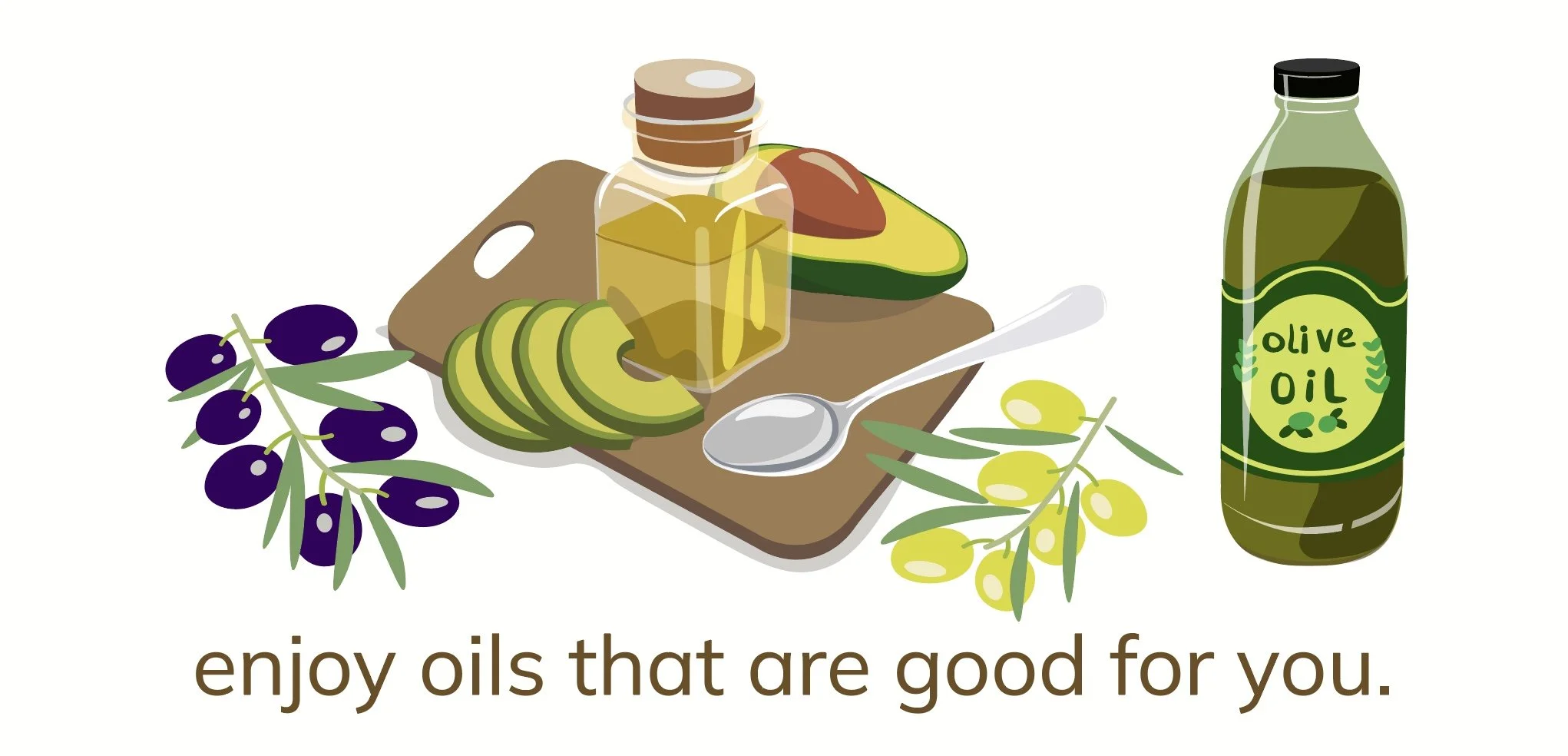
Some healthier fat and oil choices would be:
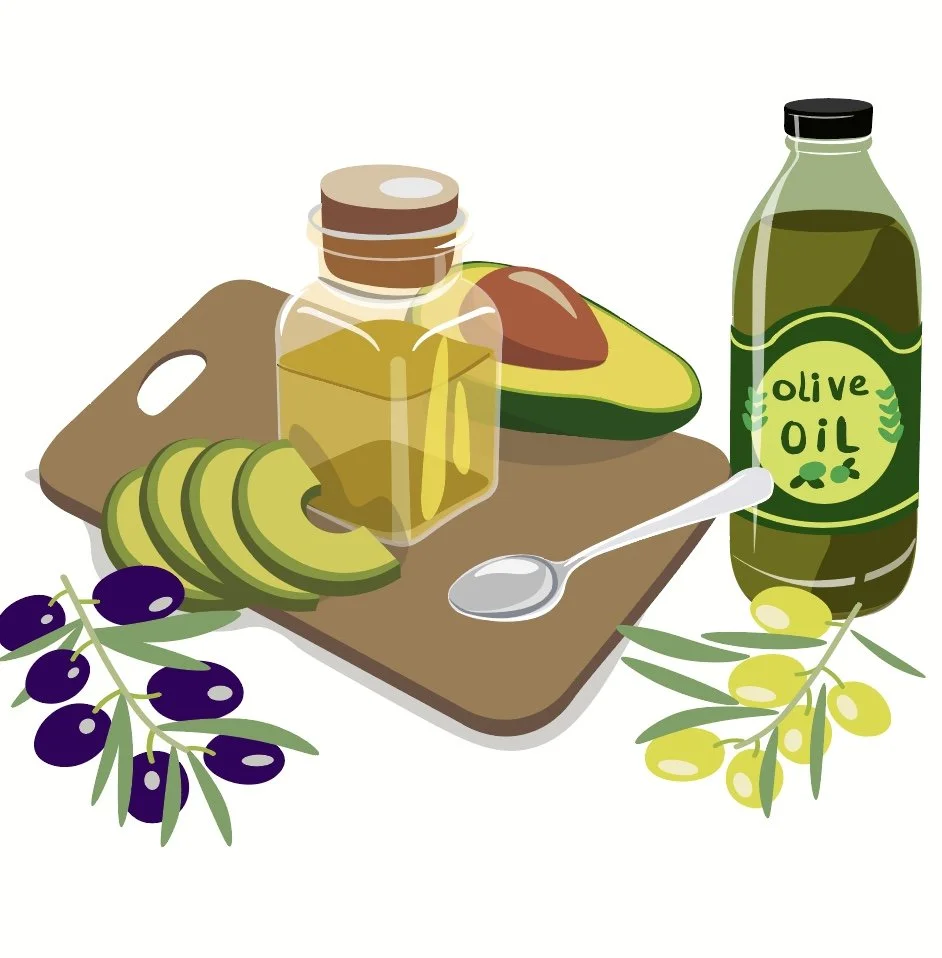
Olive oil - high in polyphenol antioxidants that REDUCE inflammation throughout the body which means a reduction in heart disease and strokes.
Coconut oil - a saturated fat that functions in such a way that it feeds and protects the heart and the brain.
Flaxseed oil - It’s high in Omega-3 which also lowers inflammation and promotes heart and brain health. Enjoy it drizzled, but not high heat.
Grass-fed butter - offers Vitamin A and D and metabolic benefits.
Beef tallow - contains stearic and oleic acid which together support metabolism, satiety, glucose balance and contain Vitamins A, D, E and K.
Avocado oil - also contains oleic acid, carotenoids and antioxidants. These contribute to healthy skin and eyes and a healthy cardiovascular system.
A couple examples of how easy it is to implement healthy fats and oils into your everyday diet:
Replace seed oils like crisco or canola in your cooking with butter, tallow or coconut oil, as the molecules can withstand high heat. And replace store bought dressings with olive or avocado oil as a base for making your own simple salad dressings. These taste delicious and choosing them is one way to take a step towards better health!
A quick salad dressing recipe to get you started:
1 teaspoon Dijon mustard
2 tablespoons apple cider vinegar
¼ cup extra virgin olive oil
Juice of ½ lemon
Salt and pepper to taste
Whisk together extra virgin olive oil, apple cider vinegar, Dijon mustard, lemon juice, salt, and pepper until emulsified. Pro tip: Mix it in a small jar so it’s easy to just shake up before adding to your favorite greens. This will keep in your fridge for at least a week!
Want to learn more about practical ways to nourish your family and improve overall health? Call us to schedule an appointment with Anne.